Mental HealthSelf Care
Written by Jennifer Cox LCPC
The importance of self-care often gets overlooked. Engaging in basic self-care practices is not a luxury, it’s a necessity for maintaining mental well-being. Let’s explore the essential aspects of self-care and its impact on our mental health.
What is Self-Care
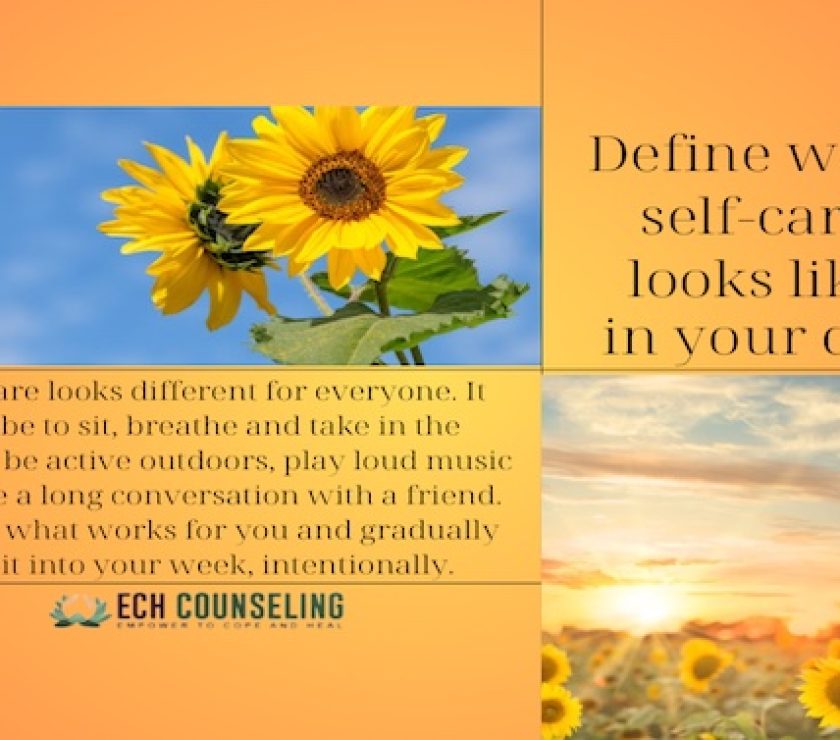
Self-care refers to the activities and practices that individuals engage in to promote their physical, mental, and emotional health. While self-care may look different for everyone, it typically includes:
– Physical Self-Care: This encompasses activities such as exercise, proper nutrition, adequate sleep, and regular medical check-ups. Taking care of your body lays the foundation for a resilient mind.
– Emotional Self-Care: Recognizing and processing your feelings is crucial. This can involve journaling or simply taking time to reflect on your day. Emotional self-care helps you understand your feelings and manage stress.
– Social Self-Care: Building and maintaining strong relationships with friends and family is vital. Engaging with others provides support, connection, and a sense of belonging.
– Mental Self-Care: Engaging in activities that stimulate your mind, such as reading, puzzles, or learning a new skill, can enhance mental clarity and resilience.
– Spiritual Self-Care: For some, this involves exploring beliefs, values, and practices that promote inner peace. This could range from being mindful to spending time in nature.
The Impact of Self-Care on Mental Health
1. Reduces Stress and Anxiety: Self-care helps to alleviate stress by providing a break from daily pressures. Even short breaks can significantly reduce anxiety levels, allowing your mind to reset and recharge.
2. Boosts Mood: Physical activity releases endorphins, which are natural mood lifters. Additionally, mindfulness can decrease stress and anxiety, along with improve focus.
3. Enhances Resilience: Regularly prioritizing self-care helps build emotional resilience, allowing you to cope better with challenges and setbacks. When you invest in your well-being, you develop the tools needed to face life’s difficulties.
4. Improves Relationships: When you take care of yourself, you are likely to feel more balanced and energized. This makes you more available to your loved ones, contributing to healthier and more fulfilling relationships.
5. Promotes Better Sleep: Engaging in regular self-care, particularly physical and emotional practices, can lead to improved sleep hygiene. Quality sleep is vital for mental health, as it rejuvenates the mind and enhances cognitive functions.
6. Encourages a Positive Self-Image: Focusing on self-care allows individuals to honor their own needs and recognize their worth, just as we have discussed in the past couple blogs.
Practical Self-Care Tips
Over the next few weeks, we will be discussing how to get started on your self-care journey, by considering practical tips.
Looking at how daily self care practices impact our overall health:
-Sleep
-What you are eating
-‘Me Time’
-Mindfulness
-Being Active
-Connecting with Others
-Limiting Screen Time
-Getting outside
Integrating daily self-care practices into your life can dramatically impact your mental health.
Start small, be consistent, get a routine, and watch how these practices transform your mental health and overall quality of life.
By working together, we can create a world where mental health is valued and
all individuals have access to the care and resources they deserve.
Reach out today at in**@***********ng.com or 815-363-0864